
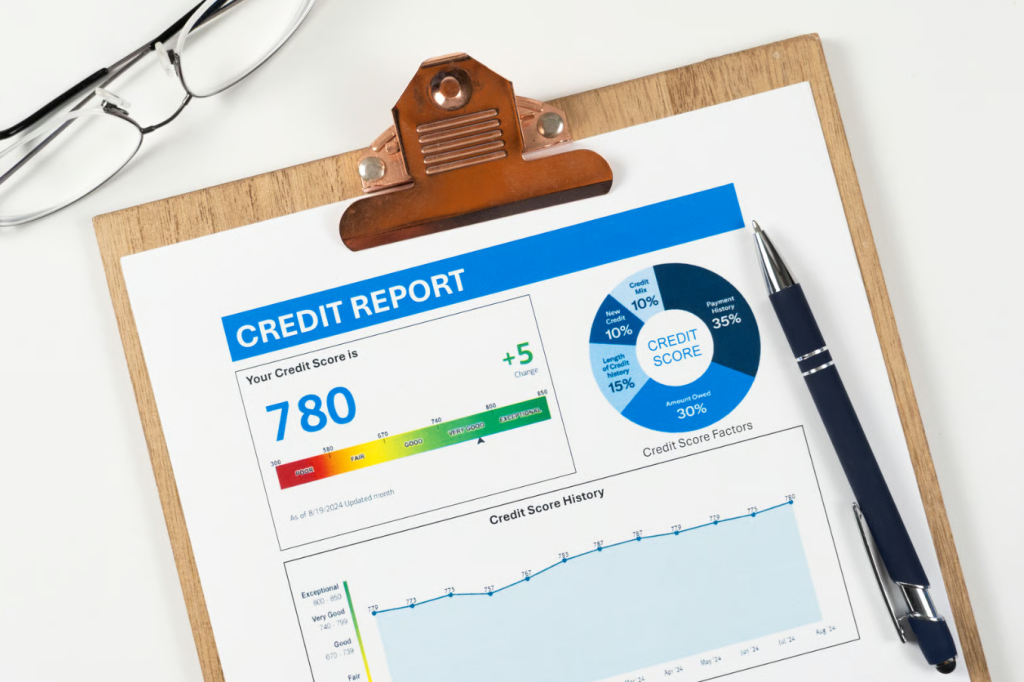
Finding a charge-off on your credit report can feel like a major setback. It can stand between you and a loan, a lower interest rate, or peace of mind when the phone rings. The good news is that a charge-off does not have to be permanent, and you have more control over it than you might think.
Key Takeaway: A charge-off is a serious credit setback, but it is not permanent or beyond your control. If the mark is inaccurate, you have the right to dispute it and have it corrected or removed; if it is accurate, you can work toward resolving it and rebuild your score over time through steady, responsible habits. Understanding your rights and acting quickly are what turn a charge-off from a dead end into a recoverable moment.
A charge-off is when a creditor decides a debt is unlikely to be repaid and writes it off as a loss, usually after about six months of missed payments. Writing off the debt does not cancel it. You still owe the balance, and the account is often sold to a third-party collector that keeps pursuing payment.
Lenders treat a charge-off as one of the more serious marks on a report because it signals elevated risk. Under federal law, it can stay on your credit report for up to seven years from the date of the first missed payment that led to it, then falls off automatically. Knowing that timeline is the starting point for deciding how to respond.
A charge-off can lower your credit score by a meaningful amount and make new credit harder and more expensive to get. Because payment history is the largest factor in your score, a mark tied to months of missed payments carries real weight. Lower scores often mean higher interest rates on mortgages, auto loans, and credit cards, and sometimes outright denials.
There is a practical cost too. An unresolved charge-off usually brings calls and letters from collectors. Resolving or removing it can quiet that pressure and free you to focus on rebuilding, which is exactly what the next steps are designed to do.
Yes, in two situations. If the charge-off is inaccurate, you can dispute it and have it corrected or removed. If it is accurate, you cannot simply erase it, but you may be able to negotiate how it is reported and reduce its impact over time.
The right path depends on one question: is the information correct? That is why the process starts with a careful review of your reports before you take any other action.
Start by pulling your free annual credit reports from all three major bureaus: Experian, TransUnion, and Equifax. Each bureau may list slightly different information, so review all three.
Common charge-off errors include a wrong date of first delinquency, an incorrect balance, a duplicated account, or a debt that is not yours. Check dates, balances, account status, and personal details closely. Even a small discrepancy can be grounds for a dispute, because accuracy is protected under your rights under the FCRA. Once you have confirmed whether the mark is accurate, you can choose the right response.
If you find an error, file a dispute with the bureau reporting it and identify exactly what is wrong. Name the account, state the specific inaccuracy, and explain why it is incorrect. Vague complaints get dismissed; specific, documented ones do not.
Back your claim with evidence such as bank statements, payment records, or letters from creditors. Keep copies of everything you send and proof of when you sent it. The bureau generally has about 30 days to investigate, and if the information cannot be verified, it must be corrected or removed. This sounds straightforward, but it often means repeated follow-ups with bureaus and creditors, which is one reason many people bring in professional help. When the charge-off turns out to be accurate, a different approach applies.
When a charge-off is valid, negotiation is often your best remaining option. Creditors usually prefer recovering part of a debt over recovering nothing, which gives you room to discuss terms.
Reach out with a calm, honest explanation of your situation and ask whether they will update how the account is reported in exchange for payment. Results vary widely, and no creditor is required to agree. If you do reach an agreement, get it in writing before sending any money, so you have proof of what was promised. If negotiation stalls or the mark stays put, the focus shifts to rebuilding.

Sometimes an accurate charge-off remains despite your best efforts. It can stay for up to seven years from the first missed payment, but your score is not frozen during that time. Consistent, responsible habits gradually reduce its weight.
Focus on the factors you control:
For those rebuilding from a difficult period, a secured credit card can help, since it reports on-time activity while requiring only a modest deposit. If you believe a creditor or bureau violated reporting rules, you can also file a complaint with the Consumer Financial Protection Bureau. This is where expert support pays off. At Credit Repair Boss, we help clients review their reports, challenge inaccurate marks, and build the habits that support long-term recovery.
Removing or resolving a charge-off takes time, attention, and a clear grasp of your rights, and you do not have to manage it alone. At Credit Repair Boss, we work with clients nationwide from our main office in Uniondale, NY, along with locations in Georgia and Washington, to review reports, challenge inaccurate marks, and map out a clear path forward. Schedule your free consultation today and take the first confident step toward stronger credit.
A charge-off is when a creditor writes off a debt as unlikely to be collected after several months of missed payments. It is a serious negative mark that can lower your score, make new credit harder to get, and raise your interest rates. You still owe the debt even after it is charged off.
An accurate charge-off can remain for up to seven years from the date of the first missed payment that led to it. After that, the bureaus are required to remove it. Older negative marks generally carry less weight over time as you build positive history.
If a charge-off is accurate, it cannot simply be erased, but you may be able to negotiate with the creditor about how the account is reported. Confirm any agreement in writing before you pay. Responsible credit habits will also reduce its impact over time.
Review your reports from all three bureaus, identify the specific error, and submit a clear, documented dispute to the bureau reporting it. Keep records of everything you send. If the information cannot be verified, it must be corrected or removed.
No. Filing a dispute does not lower your score, and correcting an inaccurate charge-off may improve it once the error is resolved. Disputing is a protected consumer right, not a penalty.
Professional guidance often saves time and stress, especially with multiple accounts, unclear reporting, or ongoing collector contact. A knowledgeable team can help you understand your rights and handle the dispute process. The right choice depends on how complex your situation is and how comfortable you feel managing it yourself.